Parents often think of playgrounds as a carefree playground for all children, but for some toddlers, the swings and slides can feel more like a maze than a merry-go-round. Recognizing autism early signs in toddlers who have difficulty with social interactions in the playground can turn a confusing day of games into a roadmap for support and growth. This guide will walk you through the subtle clues, practical steps, and hopeful strategies that help your little one thrive both on and off the sandpit.
Understanding the Playground: Why Social Interaction Matters
The Playground as a Social Lab
A playground is more than a place for climbing and sliding; it’s a living laboratory where children test boundaries, negotiate turns, and practice empathy. For toddlers, these moments are crucial building blocks for language, emotion regulation, and reciprocal play. When a child’s social engagement stalls, the playground can reveal the earliest whispers of autism.
What Typical Play Looks Like
Most toddlers in the playground:
- Exchange smiles with peers. Take turns on equipment. Use gestures to signal “I want to play.” Respond to others’ attempts at interaction.
When a child consistently misses these cues—staring at the slide instead of at a peer, or refusing to share a toy—parents may notice a pattern that signals deeper social challenges.
Spotting the Red Flags: Autism Early Signs in Toddlers Who Have Difficulty with Social Interactions in the Playground
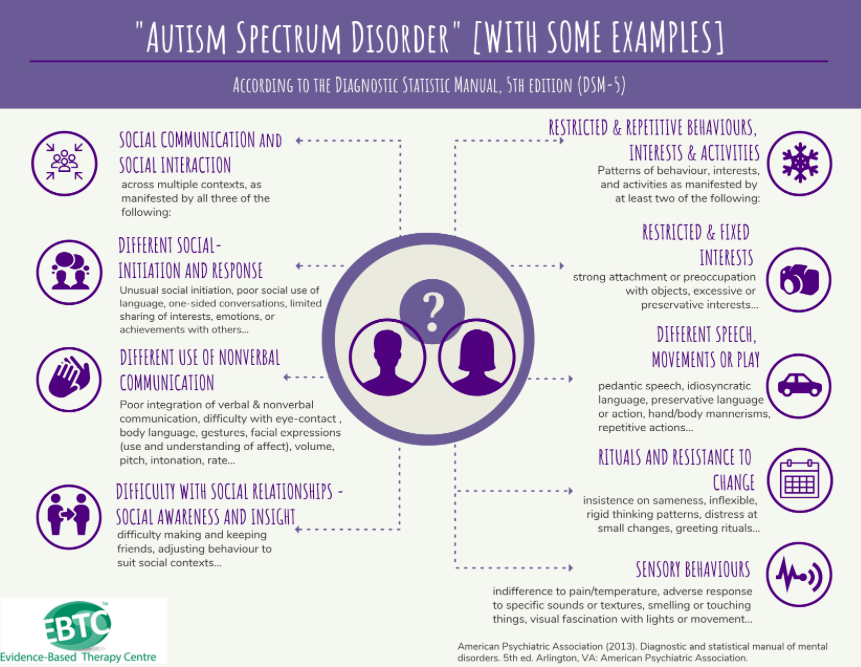
Lack of Eye Contact
While eye contact can be fleeting in toddlers, a persistent avoidance can be a tell‑tale sign. If your child glances away whenever a peer reaches out, it may indicate discomfort or difficulty interpreting social signals.
One‑Way Conversations
Do your toddler’s attempts at conversation feel like a monologue? If they respond to questions with unrelated statements or seem uninterested when others talk, this one‑way pattern often surfaces early in autism.
Repetitive Play Patterns
Repetitive behaviors—such as lining up blocks in a strict order or spinning a toy repeatedly—can dominate a child’s playtime. While repetition is normal, an overreliance on these routines, especially when others try to join in, can hint at social rigidity.
Sensory Overload
A child who appears overwhelmed by the noise, bright colors, or crowded spaces of the playground may withdraw into a quiet corner. Sensory sensitivities can amplify social difficulties, making it hard for toddlers to engage with peers.
> Repetitive behaviors “We can’t change the world, but we can change a child’s day,” says pediatrician Dr. Lila Nguyen. “Early recognition is the first step toward empowerment.”
Beyond the Playground: Other Settings to Watch
Home Environment
At home, look for:
- Limited joint attention (e.g., not following your gaze to a toy). Delayed language milestones (e.g., speaking only a few words by 18 months). Strong preference for solitary play.
Early Care Settings
In daycare or preschool, observe:
- Response to group activities. Interaction with caregivers. Ability to transition between tasks.
When to Seek Professional Help
Age‑Appropriate Screening
Most pediatricians recommend developmental screenings at 18, 24, and 30 months. If your toddler shows persistent social challenges, a referral to a developmental specialist can clarify the picture.
What to Expect in an Evaluation
- Observational assessment of play and interaction. Standardized tests for language and cognitive skills. Input from caregivers on daily routines.
These evaluations help distinguish autism from other developmental delays and guide targeted interventions.
Supporting Your Toddler’s Social Growth
Structured Play Sessions
Create predictable play routines. For example, start with a brief “warm‑up” activity—like a simple song—before moving to more complex games. Predictability reduces anxiety and encourages participation.
Modeling Social Cues
Show, Social communication deficits don’t just tell. Use gestures, facial expressions, and simple phrases to demonstrate how to share or take turns. Your toddler learns best by watching you navigate social situations.
Using Visual Supports
Visual schedules, picture cards, or storyboards can help your child understand the sequence of a game. When a child knows what to expect, they’re more likely to engage.
A Lighthearted Look: Humor and Hope
Playful metaphors can ease the tension. Think of the playground as a “social orchestra” where each child plays a different instrument. Your toddler may start with a solo trumpet, but with practice, they’ll join the symphony.
> Rhetorical question: What if the swing set is a stage for a silent performance?
> Answer: With a little guidance, it can become a spotlight for a confident encore.
The Playful Path Forward
Remember, every child’s journey is unique. Celebrate small victories—like a brief smile or a shared toy—and keep the conversation open with educators and therapists. The goal isn’t to “fix” but to support growth and connection.
Building Bridges on the Playground
In the end, early signs of autism in toddlers who have difficulty with social interactions in the playground are not a verdict but a roadmap. By staying observant, seeking timely professional input, and fostering a supportive play environment, you can help your child build bridges—both in the sandbox and beyond. Take the first step today: talk with your pediatrician, attend a parent‑support group, or simply spend an extra minute watching how your toddler engages with peers. Small actions now can pave the way for a brighter, more connected future.